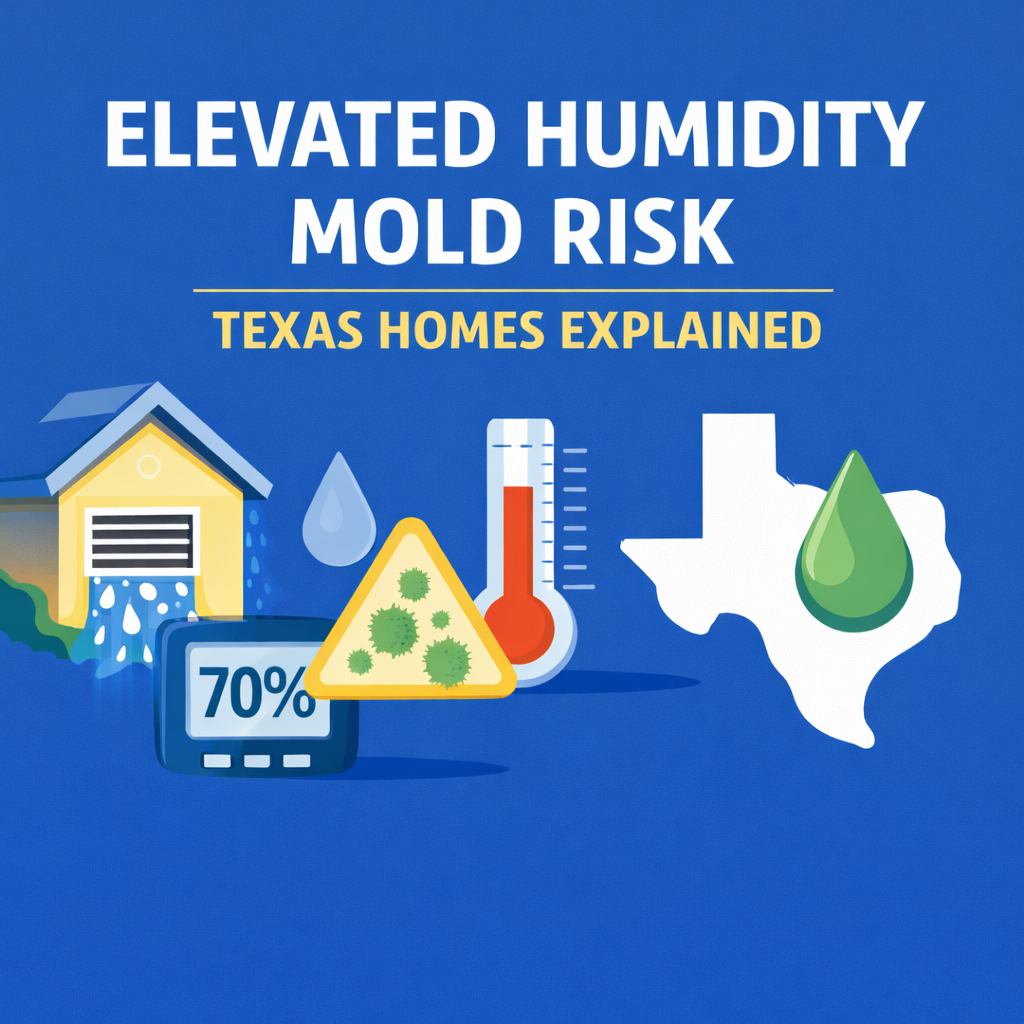
Many homeowners associate mold problems with obvious water damage such as a burst pipe or roof leak. However, in Texas, elevated indoor humidity alone can create conditions favorable to mold growth, even when no single water event has occurred.
North Texas climate patterns regularly produce extended periods of high outdoor humidity. When that moisture enters a home and is not properly controlled, building materials can absorb excess moisture over time. This slow accumulation can support mold growth without visible flooding or obvious leaks.
Understanding how humidity affects indoor environments is critical to preventing hidden mold issues.
How Humidity Becomes a Problem Indoors
Humidity enters homes through normal air exchange, open doors, unsealed penetrations, and HVAC system operation. During humid months, air conditioning systems may struggle to adequately remove moisture if they are oversized, improperly maintained, or short cycling.
When indoor relative humidity consistently rises above recommended levels, materials such as drywall, wood framing, baseboards, and insulation can retain moisture. Mold does not require standing water to grow. It only requires organic material and sufficient moisture.
Because humidity driven mold growth can occur gradually, homeowners may not recognize the issue until odors develop or visible growth appears.
Common Signs of Humidity Related Mold Risk
Elevated humidity may present with subtle indicators, including:
- Persistent musty odors
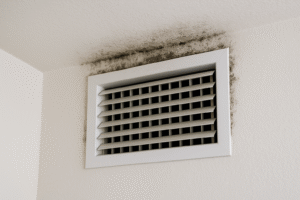
- Condensation on windows or HVAC vents
- Warping baseboards or trim
- Darkening of caulk or grout in bathrooms
- Elevated indoor relative humidity readings
In some cases, indoor air sampling identifies elevated fungal levels even when no visible growth is immediately apparent.
Why Humidity Issues Are Often Overlooked
Unlike sudden water damage events, humidity problems are rarely dramatic. There may be no insurance claim, no visible ceiling stain, and no obvious plumbing failure.
Instead, humidity related mold growth often develops in closets, behind furniture placed against exterior walls, in HVAC closets, or in areas with limited airflow. These micro environments can trap moisture and create favorable conditions for mold.
Because the process is gradual, remediation is sometimes required before homeowners realize humidity control is inadequate.
The Role of a Professional Mold Assessment
A licensed Mold Assessment Consultant evaluates both visible conditions and environmental factors. Moisture measurements, humidity readings, and when appropriate, air sampling help determine whether elevated fungal levels are consistent with excessive indoor humidity.
Importantly, identifying mold is only part of the process. Determining why humidity levels are elevated is essential to preventing recurrence. Without correcting the underlying moisture conditions, mold growth may return.
👉 Why Moisture Mapping Is Critical Before Mold Remediation in Texas Homes
Managing Indoor Humidity in Texas
Maintaining indoor relative humidity at appropriate levels is one of the most effective ways to reduce mold risk. This may involve:
- Ensuring HVAC systems are properly sized and maintained
- Sealing air leaks and improving insulation
- Using dehumidification when necessary
- Improving ventilation in bathrooms and laundry areas
Early evaluation allows homeowners to address humidity concerns before they become costly remediation projects.
In Texas homes, mold growth does not always begin with a dramatic water event. Sometimes, sustained elevated humidity is enough. Recognizing and managing indoor moisture conditions is a key component of protecting indoor air quality and building materials.
If you are experiencing persistent musty odors or suspect humidity may be contributing to mold concerns, a professional mold assessment can provide clarity and documented findings.
Looking for licensed mold inspection services in North Texas?
👉 Schedule a Professional Mold Inspection with NTX Enviro Today
Dennis Butts is a Texas-licensed Mold Assessment Consultant (MAC) and principal of NTX Enviro Consulting Services. He provides mold inspections, remediation protocols, and post-remediation verification services throughout North Texas.