📞 (972) 643-8379 Monday to Friday 8:00 am - 5:00 pm, Saturday & Sunday - CLOSED


Why Does a Ceiling Water Stain Keep Coming Back?

A ceiling water stain usually keeps coming back because the moisture source has not been fully corrected, water remains trapped above the ceiling, or the stain was never properly sealed before repainting. Roof leaks, plumbing problems, HVAC condensation, and recurring humidity conditions can all cause the same area to discolor again.
The location of the stain does not always identify the source directly above it. Water can travel along framing, pipes, insulation, and the backside of drywall before becoming visible.
A Returning Stain Does Not Always Mean a New Leak
When a ceiling stain reappears, homeowners often assume water is actively leaking again. Sometimes that is correct, but not always.
Ceiling stains can return for several different reasons:
- The original leak was not completely repaired.
- Water remains in insulation or framing.
- The ceiling was painted before drying was verified.
- The stain was covered without a stain-blocking primer.
- Humidity or condensation is repeatedly wetting the area.
- Water is entering from a different source.
- The repair corrected one defect but not another nearby defect.
The first step is determining whether the discoloration is old staining bleeding through the paint or evidence of current moisture.
Why Old Water Stains Bleed Through Paint
Water stains contain dissolved minerals, tannins, rust, soot, and other contaminants. These materials can migrate through ordinary wall paint as the coating dries.
A ceiling may be completely dry and still develop a yellow or brown stain after repainting.
This commonly happens when:
- The damaged area is painted with standard latex paint.
- No stain-blocking primer is used.
- The residual discoloration migrates through the new coating.
- The homeowner interprets the visible stain as a new leak.
A returning stain should still be evaluated before repainting again. The absence of active moisture should be confirmed rather than assumed.
Roof Leaks May Travel Before Reaching the Ceiling
Roof leaks are a common cause of recurring ceiling stains, especially after North Texas thunderstorms and hail events.
Water entering through a roof defect may travel along:
- Roof decking
- Rafters
- Trusses
- Plumbing vents
- Electrical wiring
- Insulation
- Ceiling framing
The stain may appear several feet away from the actual roof entry point.
This is one reason roof repairs based only on the stain location are sometimes unsuccessful. The visible damage below may not align with the failed shingle, flashing detail, vent boot, valley, or roof penetration above.
Intermittent roof leaks can also be difficult to confirm. A roof may leak only during wind-driven rain from a particular direction or during storms with a certain intensity.
Plumbing Leaks Can Be Intermittent
Plumbing leaks above ceilings are not always continuous.
A stain may appear only when:
- An upstairs shower is used.
- A bathtub overflows.
- A toilet is flushed.
- A drain connection leaks under heavy flow.
- A washing machine drains.
- A water heater relief line discharges.
- A plumbing joint expands or contracts.
This pattern can make the stain appear to dry and then return days later.
During an inspection, the usage history is important. Homeowners should note whether the stain changes after bathing, laundry, appliance use, or plumbing activity.
HVAC Condensation Is Often Mistaken for a Roof Leak
Air conditioning systems frequently create ceiling stains that resemble roof leaks.
Potential causes include:
- A clogged condensate drain
- An overflowing drain pan
- Condensation on uninsulated ductwork
- Air leakage around a supply register
- A sweating refrigerant line
- Condensation on a cold supply boot
- Poor attic ventilation
- High indoor humidity
North Texas homes experience long cooling seasons, and attic temperatures can become extremely high. Cold HVAC components surrounded by warm, humid attic air can develop condensation when insulation or air sealing is deficient.
A stain that appears during hot, humid weather but not during rainfall may be related to HVAC condensation rather than the roof.
Wet Insulation Can Keep the Ceiling Damp
Insulation above the ceiling can absorb water and remain wet after the visible leak has stopped.
This can create several problems:
- The ceiling dries slowly.
- Moisture remains against the backside of the drywall.
- Staining continues to spread.
- Sagging or deterioration may develop.
- Mold growth may occur on drywall paper, framing, or debris.
Fiberglass insulation may hold water between its fibers, especially when compressed. Cellulose insulation can absorb substantial moisture and may mat together.
Even when the ceiling surface feels dry, the material above it may still contain elevated moisture.
How Inspectors Determine Whether the Stain Is Active
A proper evaluation usually combines several methods.
Visual Inspection
The inspector looks for:
- Darkened edges
- Bubbling paint
- Soft drywall
- Sagging
- Cracking
- Peeling texture
- Rusted fasteners
- Visible suspect microbial growth
Fresh staining may look darker or have a defined wet edge, but appearance alone is not enough to confirm active moisture.
Moisture Meter Testing
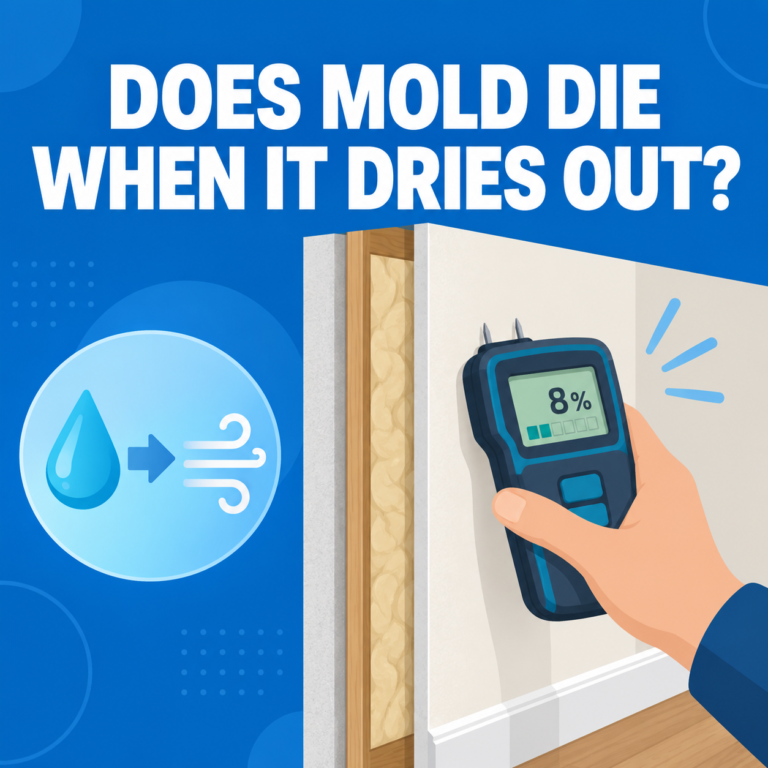
Moisture meters can help determine whether the stained area differs from unaffected ceiling materials.
Readings should be compared with nearby reference areas because ceiling materials, framing, metallic fasteners, and insulation can affect meter response.
An elevated reading indicates that additional investigation may be appropriate. It does not identify the moisture source by itself.
Thermal Imaging
Thermal imaging may reveal temperature differences associated with evaporation, missing insulation, or air leakage.
However, a thermal anomaly is not proof of moisture. Temperature differences can also result from framing, ductwork, sunlight, insulation gaps, and HVAC operation.
Thermal findings should be confirmed with moisture measurements or physical inspection.
Attic Inspection
When the area is safely accessible, the attic may provide important information.
An attic inspection may reveal:
- Roof decking stains
- Wet insulation
- Condensate overflow
- Duct condensation
- Plumbing leaks
- Water trails
- Damaged flashing
- Gaps around penetrations
Not every stained ceiling area can be reached from the attic. Low-clearance areas, finished spaces, and inaccessible roof configurations can limit the evaluation.
Why the Stain May Expand After the Leak Is Repaired
A stain can continue to enlarge for a short period after a leak is stopped because water already inside the assembly is still moving.
Moisture may spread through:
- Drywall paper
- Joint compound
- Insulation
- Wood framing
- Ceiling texture
This does not necessarily mean the repair failed. However, drying should be monitored.
If the stain continues to expand, the ceiling remains wet, or new dripping develops, the source may still be active.
Could Mold Be Growing Above the Ceiling?
Yes, mold can grow above a ceiling when moisture remains long enough to affect drywall paper, framing, insulation facings, or accumulated dust.
Visible mold is more likely when:
- The leak was not discovered promptly.
- The area has been repeatedly wetted.
- Insulation remains damp.
- The ceiling cavity has limited airflow.
- Indoor humidity is elevated.
- Repairs were delayed.
The size of the stain does not reliably indicate the extent of mold growth. A small visible stain may be associated with a larger concealed wet area, while a large historical stain may be completely dry.
Should the Ceiling Be Opened?
Not every ceiling stain requires drywall removal.
Limited access may be appropriate when:
- Moisture readings remain elevated.
- The leak has occurred repeatedly.
- The ceiling is soft or sagging.
- A musty odor is present.
- Visible suspect growth appears.
- Wet insulation is suspected.
- The source cannot be confirmed non-destructively.
A small inspection opening may allow evaluation of the insulation, framing, and backside of the drywall without removing an entire ceiling section.
Opening a ceiling should be approached carefully when mold contamination is suspected because disturbing affected material can release dust and fungal fragments.
Practical Steps for Homeowners
When a ceiling stain returns:
- Photograph the stain and note the date.
- Mark the outer edge lightly with a pencil.
- Record recent rain, plumbing use, and HVAC operation.
- Check whether the stain grows after a specific event.
- Avoid repainting until moisture has been evaluated.
- Inspect accessible attic areas only when it is safe.
- Repair the source before cosmetic work begins.
- Confirm that the materials have dried before closing or repainting.
Do not rely only on whether the surface feels dry. Ceiling assemblies can remain damp internally.
When Professional Evaluation May Be Appropriate
Professional evaluation may be appropriate when:
- The stain repeatedly returns.
- The moisture source is uncertain.
- Previous repairs did not solve the problem.
- The ceiling remains damp.
- The area smells musty.
- The drywall is sagging or deteriorated.
- The stain is near HVAC equipment or plumbing.
- Visible suspect growth is present.
- Multiple ceiling areas are affected.
A moisture investigation can help distinguish between active leakage, residual staining, trapped moisture, and condensation.
Frequently Asked Questions
Can a water stain come back even if the leak is fixed?
Yes. Residual discoloration can bleed through ordinary paint if a stain-blocking primer was not used. Moisture should still be checked before repainting.
How can I tell whether a ceiling stain is wet?
Moisture meter testing and comparison readings are more reliable than touch alone. A stain may feel dry at the surface while moisture remains above it.
Why does my ceiling stain appear only after heavy rain?
Wind-driven rain may enter through roof defects that do not leak during light rain. Flashing, roof penetrations, valleys, and storm-damaged roofing should be evaluated.
Can air conditioning cause brown ceiling stains?
Yes. Condensate overflow, sweating ducts, cold supply boots, and refrigerant line condensation can wet ceiling materials and produce brown or yellow staining.
Should I paint over a ceiling stain?
Only after the moisture source has been corrected and the area is confirmed dry. A stain-blocking primer is usually needed to prevent discoloration from bleeding through the finish coat.
A ceiling water stain that keeps coming back may indicate an unresolved leak, recurring condensation, trapped moisture, or old discoloration bleeding through new paint.
The stain location does not always reveal the source. Roof water, plumbing leaks, and HVAC condensation can travel through concealed assemblies before becoming visible. The most reliable approach is to identify the moisture pattern, verify whether the material is currently wet, correct the source, and confirm drying before repainting or repairing the ceiling.
Related Articles
- How to Tell If a Water Leak Is Old or New
- How Long Does Drywall Take to Dry After a Water Leak?
- Can Wet Drywall Be Saved After a Water Leak?
- How Do I Know If a Water Leak Has Caused Hidden Mold?
Dennis Butts is a Texas licensed Mold Assessment Consultant and principal of NTX Enviro Consulting Services, providing mold inspections, remediation protocols, and post remediation verification services throughout North Texas.
NTX Enviro provides professional mold inspections and moisture evaluations for homeowners throughout North Texas.