
A flooded home is every homeowner’s nightmare. Whether it’s from a burst pipe, heavy Texas storms, or rising groundwater, water damage can feel overwhelming. Your first instinct may be to call your insurance company immediately – but there are a few important steps you should take first.
By acting quickly and strategically, you can protect your property, safeguard your health, and strengthen your insurance claim. In this post, NTX Enviro outlines the essential steps to take before calling insurance when your home floods.
Step 1: Ensure Safety First
Before worrying about paperwork or cleanup, make sure your home is safe to enter.
- Turn Off Electricity: If water has reached outlets or appliances, shut off power at the breaker to avoid electrocution.
- Check for Gas Leaks: If you smell gas, leave immediately and contact your utility provider.
- Wear Protective Gear: Floodwater can contain bacteria, sewage, and chemicals. Wear gloves, boots, and an N95 respirator if entering affected areas.
👉 Safety should always come first. Don’t put yourself at risk to salvage belongings.
Step 2: Stop the Source of Water
If possible, stop the water intrusion to prevent additional damage.
- Shut off the main water supply if the flooding is caused by a burst pipe.
- Cover damaged roofs with tarps to stop rain from entering.
- If groundwater or storm flooding is the cause, wait until conditions are safe before reentering.
Step 3: Document Everything
Before beginning cleanup, thoroughly document the damage for your insurance claim.
- Take Photos & Videos: Capture wide shots and close-ups of damaged walls, floors, furniture, and personal items.
- Create an Inventory: List damaged belongings, including approximate values and purchase dates if possible.
- Save Receipts: Keep receipts for any emergency repairs, supplies, or temporary lodging.
This documentation helps prevent disputes with your insurance company later.
Step 4: Prevent Mold Growth
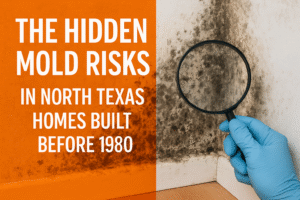
Floodwater isn’t just damaging – it creates the perfect environment for mold growth. Since mold can begin developing within 48-72 hours, prevention is critical.
- Remove wet carpet, rugs, and upholstery if they cannot be dried quickly.
- Use fans and dehumidifiers to reduce moisture.
- Open windows and doors (if outdoor humidity is lower) for ventilation.
- Wipe down non-porous surfaces with antimicrobial cleaner.
👉 Even with quick action, hidden moisture often lingers. A professional mold inspection ensures your home is safe and compliant with Texas regulations.
Step 5: Contact Restoration and Inspection Professionals
Before filing a claim, schedule a professional inspection. Licensed mold assessment consultants and restoration experts provide:
- Moisture Mapping & Thermal Imaging – to identify hidden water damage.
- Air Quality & Mold Testing – to confirm whether mold growth has begun.
- Clear Reports & Documentation – to support your insurance claim and guide remediation.
In Texas, a licensed consultant can also issue a Certificate of Mold Damage Remediation (CMDR) once remediation is complete, protecting your home’s resale value.
Step 6: Call Your Insurance Company
Once you’ve documented the damage and consulted professionals, it’s time to contact your insurance provider.
- Be Ready With Details: Provide your photos, videos, and inventory.
- Ask About Coverage: Flooding from storms is often excluded from standard homeowners’ policies and may require separate flood insurance.
- Request Next Steps in Writing: Keep a record of who you spoke with, when, and what was discussed.
By preparing in advance, you strengthen your position and reduce the chances of delays or disputes.
Common Mistakes Homeowners Make After Flooding
- Calling insurance too soon: Without documentation, you risk missing out on compensation.
- Throwing away damaged items immediately: Insurers may want proof before you discard belongings.
- Skipping professional inspections: Mold or hidden damage may go unnoticed and lead to future claims being denied.
- Waiting too long to act: Delays increase the chance of mold growth and greater property loss.
How Mold Inspections Support Insurance Claims
Insurance companies rely on clear evidence when processing claims. Mold inspections provide:
- Unbiased Lab Results: Confirming spore counts and identifying mold species.
- Detailed Reports: Professional documentation showing where mold was found and what caused it.
- Regulatory Compliance: Following the Texas Mold Laws ensures claims meet state guidelines.
DIY Mold Cleanup vs. Professional Assessment: What’s the Difference?
Prevention Tips for the Future
While you can’t prevent storms or accidents, you can minimize risks:
- Install sump pumps and backflow valves in basements or crawlspaces.
- Keep gutters and downspouts clear to divert rainwater away from your foundation.
- Inspect your roof and plumbing regularly.
- Maintain indoor humidity between 30 to 50% with dehumidifiers.
- Store valuables in waterproof containers.
When your home floods, panic is natural – but preparation is powerful. By following the right steps before calling insurance, you protect your safety, strengthen your claim, and reduce long-term damage.
Document everything, prevent mold, and involve professionals early. That way, you’ll recover faster, avoid disputes, and restore your home with confidence.
Don’t face flooding alone. Protect your health, your home, and your insurance claim.
👉 Schedule a Professional Mold Inspection with NTX Enviro Today
Dennis Butts is a Texas-licensed Mold Assessment Consultant (MAC) and principal of NTX Enviro Consulting Services. He provides mold inspections, remediation protocols, and post-remediation verification services throughout North Texas.