
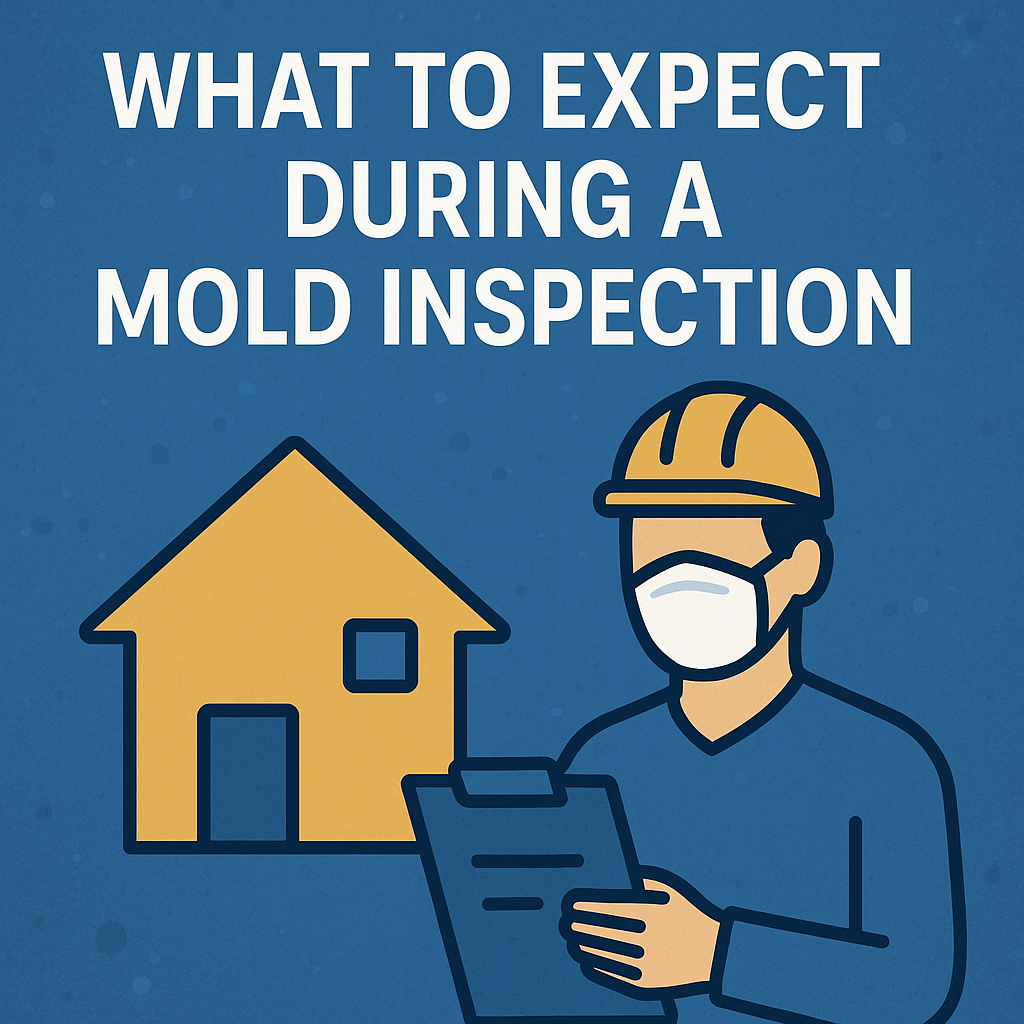
Mold is one of those problems that homeowners and buyers dread, but it’s also one of the most misunderstood. You might know that mold can trigger allergies, worsen asthma, or lower property value, but what actually happens during a professional mold inspection?
If you’re scheduling an inspection for the first time, you may wonder: How long does it take? What types of testing are involved?
In this guide, NTX Enviro breaks down what to expect during a mold inspection in Texas, including the timeline and testing methods so you can feel prepared and confident.
Why Mold Inspections Matter
Mold inspections aren’t just about spotting visible growth. A licensed mold assessment consultant (MAC) evaluates the indoor environment, looking for both current and hidden problems.
- Health Protection: Mold exposure can cause allergies, respiratory issues, and fatigue.
- Property Protection: Identifies hidden damage before it spreads.
- Legal Compliance: Texas law requires licensed assessments and documentation for larger projects.
- Real Estate Value: Proper inspections and Certificates of Mold Damage Remediation (CMDR) protect resale value.
Step 1: Initial Consultation and Scheduling
When you contact a mold inspection company, you’ll typically start with:
- Background Questions: Have you experienced recent leaks, flooding, or musty odors?
- Project Details: Size of property, areas of concern, and whether the inspection is for insurance, health, or real estate purposes.
- Scheduling: Appointments are usually set within a few days, especially if water damage is recent.
This initial consultation helps the inspector plan the scope of work.
Step 2: Visual Inspection
On the day of the inspection, the consultant begins with a thorough walk-through of the property.
What They Look For:
- Visible mold spots or staining on walls, ceilings, and floors.
- Water damage, leaks, or condensation issues.
- Poor ventilation in kitchens, bathrooms, or laundry rooms.
- Attics, crawl spaces, and HVAC systems for hidden growth.
👉 Even if you don’t see mold, inspectors know the subtle signs that indicate contamination behind walls or under flooring.
Step 3: Moisture Mapping
Mold cannot exist without moisture. That’s why inspectors use tools to locate hidden dampness:
- Moisture Meters: Measure water levels in drywall, wood, and flooring.
- Thermal Imaging Cameras: Detect temperature variations that signal hidden leaks.
This step is critical for uncovering problems invisible to the naked eye.
👉 The 48-Hour Rule: Why Fast Action After Water Damage Prevents Mold
Step 4: Air and Surface Sampling
If mold growth is suspected, inspectors will collect samples for lab testing.
Air Sampling
- Indoor air samples are collected in suspect areas.
- Outdoor samples are taken for comparison.
- Results show whether spore counts indoors are elevated.
Surface Sampling
- Swab or tape-lift samples from visible spots.
- Confirms and identifies whether discoloration is mold.
Why Testing Matters
- Identifies types of mold (e.g., Aspergillus, Stachybotrys).
- Provides evidence for insurance or real estate documentation.
- Helps define the scope of the cleaning required in the remediation protocol
Step 5: Reporting and Documentation
After inspection and lab analysis, you’ll receive a detailed report that typically includes:
- Photos of inspected areas.
- Moisture readings and thermal images.
- Lab results for air and surface samples.
- A remediation protocol if mold is confirmed.
- Recommendations for next steps.
In Texas, this documentation is especially important if you plan to file insurance claims or sell your property.
Step 6: Timeline - How Long Does It Take?
- On-Site Inspection: 2-4 hours depending on property size.
- Lab Analysis: 24-48 hours for standard results (rush options available).
- Final Report: Usually delivered within 1-3 business days.
If remediation is required, the mold assessment consultant will provide a remediation protocol immediately after results are confirmed.
Why Professional Mold Inspections Are Worth It
- Accuracy: DIY kits can’t match professional sampling and lab analysis.
- Legal Protection: Licensed inspectors provide state-recognized documentation.
- Peace of Mind: Knowing your home is safe is priceless.
- Resale Confidence: Buyers trust homes with documented clearance and CMDR certificates.
A professional mold inspection is more than just a quick check. It’s a step-by-step process that includes consultation, visual inspection, moisture mapping, air and surface sampling, and detailed reporting. While the process takes a few days from start to finish, the results provide long-term protection for your health, home, and investment.
👉 Schedule a Professional Mold Inspection with NTX Enviro Today
Dennis Butts is a Texas-licensed Mold Assessment Consultant (MAC) and principal of NTX Enviro Consulting Services. He provides mold inspections, remediation protocols, and post-remediation verification services throughout North Texas.
Pingback: Understanding Mold Inspection: Why It Matters for Your Home - Omni Viewpoint