📞 (972) 643-8379 Monday to Friday 8:00 am - 5:00 pm, Saturday & Sunday - CLOSED

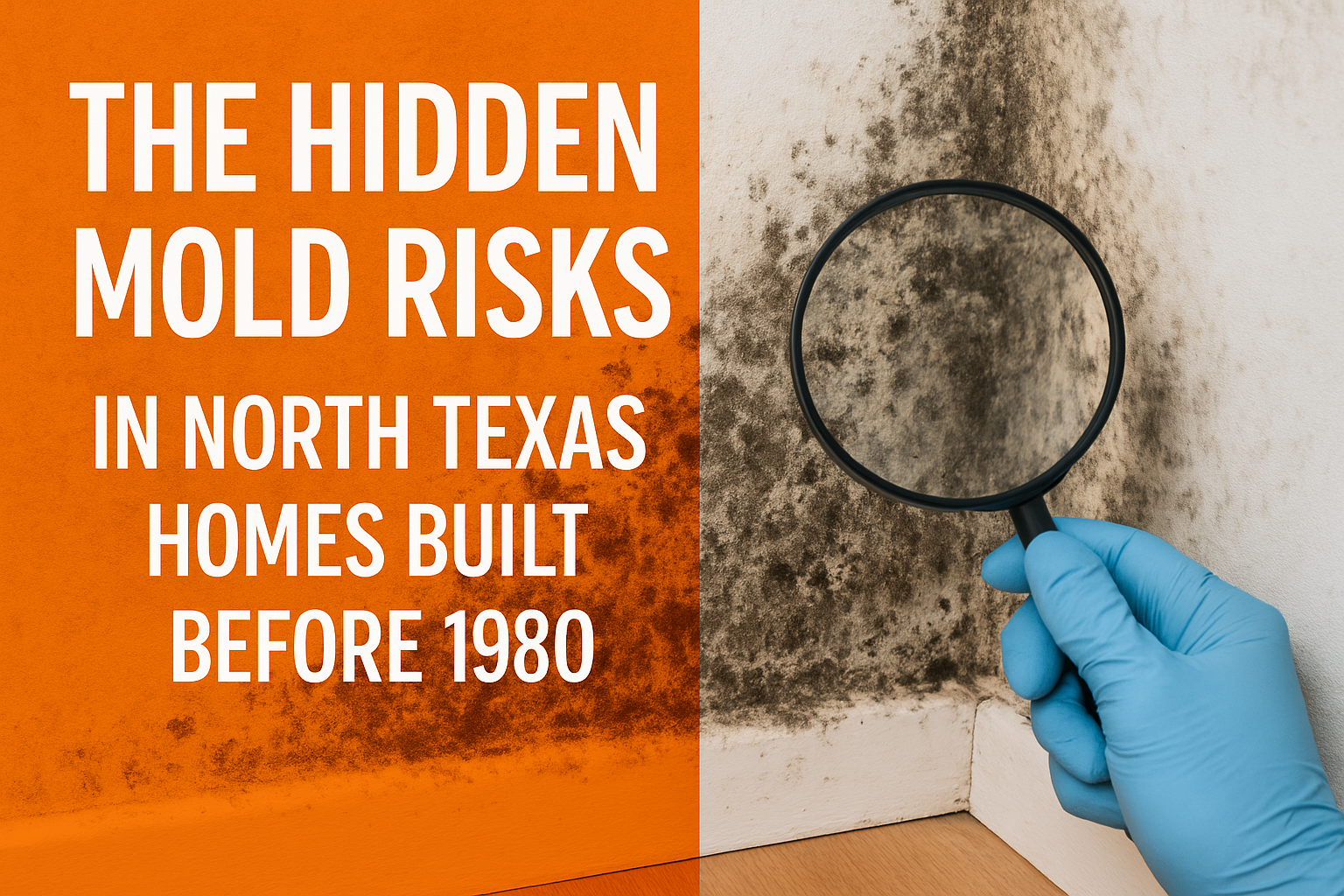
The Hidden Mold Risks in North Texas Homes Built Before 1980

Mold risks in older homes are often associated with aging building materials, plumbing systems, ventilation limitations, and long-term moisture intrusion that may go unnoticed for years. North Texas has a rich inventory of older homes, many of which were built before 1980. These properties often feature unique charm, solid construction, and desirable locations. But they also carry hidden mold risks that many homeowners and buyers may not recognize.
From outdated building materials to aging plumbing systems, older houses can create the perfect conditions for hidden mold growth. In this article, NTX Enviro explains the most common mold risks in pre-1980 homes, what homeowners should look for, and how professional inspections can prevent costly surprises.
Why Older Homes Are More Vulnerable to Mold
Mold thrives anywhere there’s moisture, organic material, and limited ventilation. Homes built before 1980 often have characteristics that increase those risks:
- Outdated Construction Materials – Wood paneling, plaster walls, and cellulose insulation retain moisture.
- Limited Ventilation – Older HVAC systems and window designs often fail to circulate air properly.
- Aging Roofs and Plumbing – Leaks and slow drips can go unnoticed for years.
- Foundation Issues – Cracks or settling can allow water intrusion during heavy Texas storms.
👉 Mold Inspection After Texas Storms – What Homeowners Need to Know
Common Mold Risks in Pre-1980 North Texas Homes
Old Plumbing and Hidden Leaks
Cast iron and galvanized steel pipes were common before 1980. Over time, these materials corrode and leak. Slow leaks behind walls or under floors can fuel mold growth for years before becoming visible.
- Poorly Ventilated Bathrooms and Kitchens
Many older homes lack exhaust fans in bathrooms or kitchens. Steam builds up, raising indoor humidity and causing mold growth on ceilings, walls, and grout.
- Crawl Spaces
Homes built before 1980 often have vented crawl spaces. These areas trap moisture and create high-risk conditions for mold.
👉 The 48-Hour Rule: Why Fast Action After Water Damage Prevents Mold
- Outdated Roofing Materials
Asphalt shingles and flashing from decades ago often fail over time. Even small roof leaks can allow moisture into attics, creating ideal mold conditions.
- Asbestos and Lead Paint Complications
While not mold, older materials like asbestos insulation and lead-based paint add complexity. Disturbing these materials during mold remediation requires special precautions.
Health Risks of Mold in Older Homes
Mold in older homes is more than just an aesthetic concern. Prolonged exposure can cause:
- Chronic allergies and respiratory issues
- Worsening asthma symptoms
- Headaches and fatigue
- Increased risks for children, the elderly, and those with weakened immune systems
👉 Is Mold Making You Sick? Common Symptoms Explained
What Buyers Should Know Before Purchasing a Pre-1980 Home
Older homes can be wonderful investments, but mold risks should be factored into your decision:
- Always Schedule a Mold Inspection – Standard home inspections don’t include mold testing.
- Check for a Certificate of Mold Damage Remediation (CMDR) – If past mold issues exist, this state-issued certificate proves the problem was properly remediated.
- Budget for Upgrades – Replacing plumbing, roofing, or HVAC systems can reduce mold risks.
👉 What Every Homebuyer Should Know About Mold Before Closing
How Mold Inspections Help in Older Homes
Professional mold inspections are especially important for pre-1980 properties. A licensed consultant will:
- Conduct a Visual Assessment
Identify visible signs of mold, water damage, or poor ventilation.
- Perform Moisture Mapping
Use thermal imaging and moisture meters to find hidden dampness in walls, ceilings, and floors.
- Air and Surface Sampling
Compare indoor vs. outdoor spore levels and identify mold in suspect areas.
- Provide Detailed Reporting
Document findings, lab results, and recommendations for remediation if needed.
👉 Schedule a Professional Mold Inspection with NTX Enviro Today
Prevention Tips for Owners of Older Homes
If you live in or are considering buying a pre-1980 home, proactive maintenance can reduce mold risks:
- Replace aging plumbing and roofing materials.
- Install or upgrade bathroom and kitchen exhaust fans.
- Seal crawl spaces and ensure proper drainage around the foundation.
- Keep indoor humidity between 30-50% with dehumidifiers.
- Schedule annual mold inspections for early detection.
North Texas homes built before 1980 are full of charm, but they also come with hidden mold risks. From aging plumbing to outdated ventilation, these properties often need extra care to protect your health and investment.
A professional mold inspection ensures that you know exactly what you’re dealing with before problems spiral out of control. Whether you’re a homeowner maintaining your property or a buyer preparing for a purchase, inspections provide peace of mind and legal protection under Texas mold law.
Dennis Butts is a Texas licensed Mold Assessment Consultant and principal of NTX Enviro Consulting Services, providing mold inspections, remediation protocols, and post remediation verification services throughout North Texas.
Do you own or plan to buy a North Texas home built before 1980?
NTX Enviro provides professional mold inspections and moisture evaluations for homeowners throughout North Texas.